The Best Coloring Pages for 1–2 Year Olds: A Parent's Guide
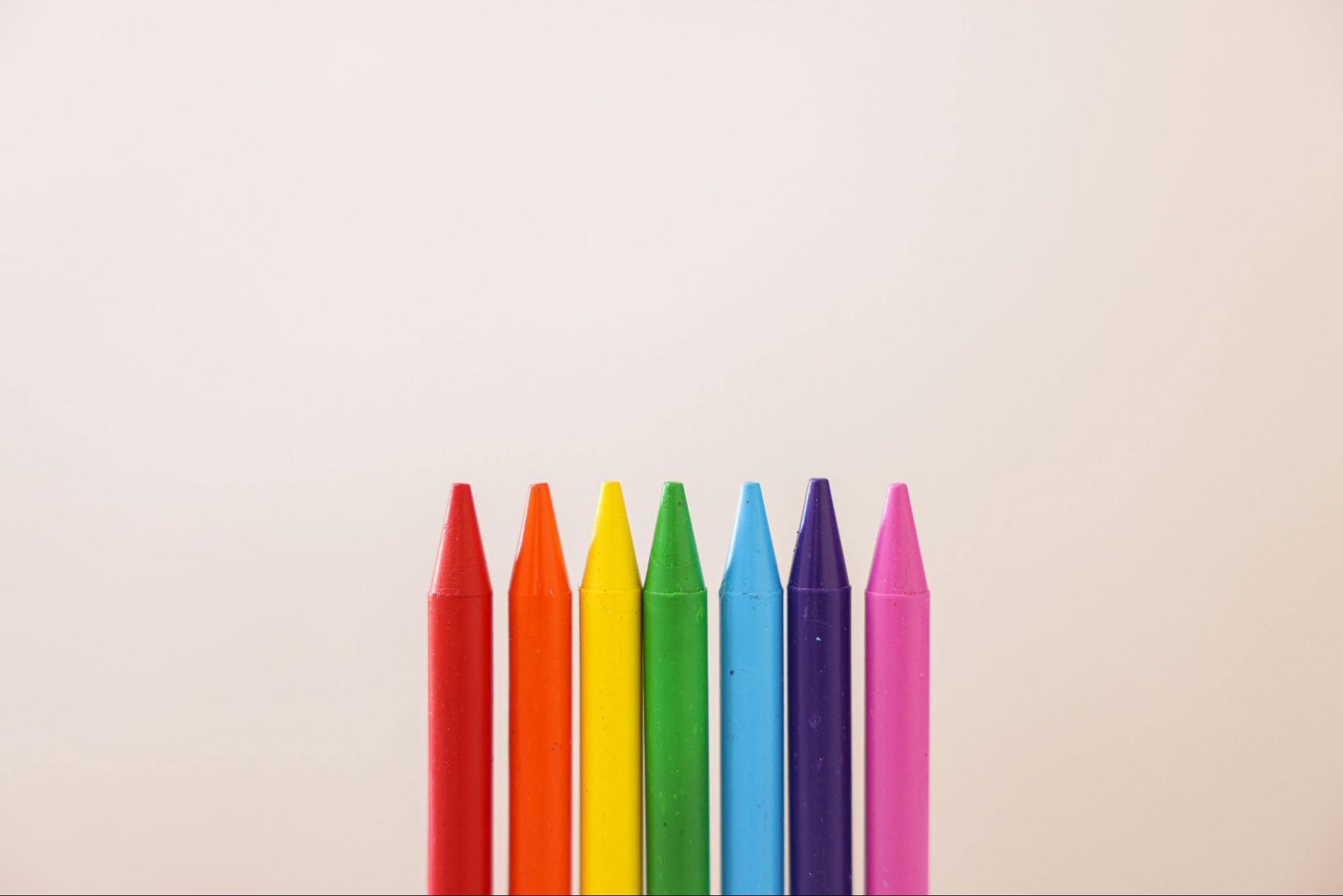
Let's be honest: handing a 14-month-old a detailed mandala coloring page and expecting neat results is a recipe for disappointment. Yours, not theirs, they'll have a great time scribbling all over the table.
Coloring with 1- and 2-year-olds is a completely different game than coloring with older kids. The motor skills aren't there yet. The attention span is measured in seconds, not minutes. And "staying inside the lines" is a concept that won't land for another year or two.
But that doesn't mean coloring pages are useless at this age. Far from it. The right kind of coloring page with the right setup can be one of the best screen-free activities for your youngest kids.
You just need to know what to look for.
Why Coloring Matters at This Age
Before we get into what works, here's why it's worth the effort:
-
Fine motor development. Gripping a crayon and making marks on paper builds the hand muscles toddlers need for writing, eating with utensils, and buttoning clothes later on.
-
Cause and effect. Toddlers learn that their hand movements create visible results on the page. That's a big cognitive milestone.
-
Focus and attention. Even 5 minutes of sustained coloring is excellent attention practice for a 1-year-old.
-
Sensory exploration. The feel of the crayon, the texture of the paper, the visual change when color appears — it's all sensory input that developing brains crave.
-
Language opportunity. Coloring together gives you natural conversation prompts: "What color is this? Can you see the dog? Where's the nose?"
The goal isn't a beautiful finished product. The goal is the process: the gripping, the scribbling, the exploring.
What to Look for in Coloring Pages for 1–2 Year Olds
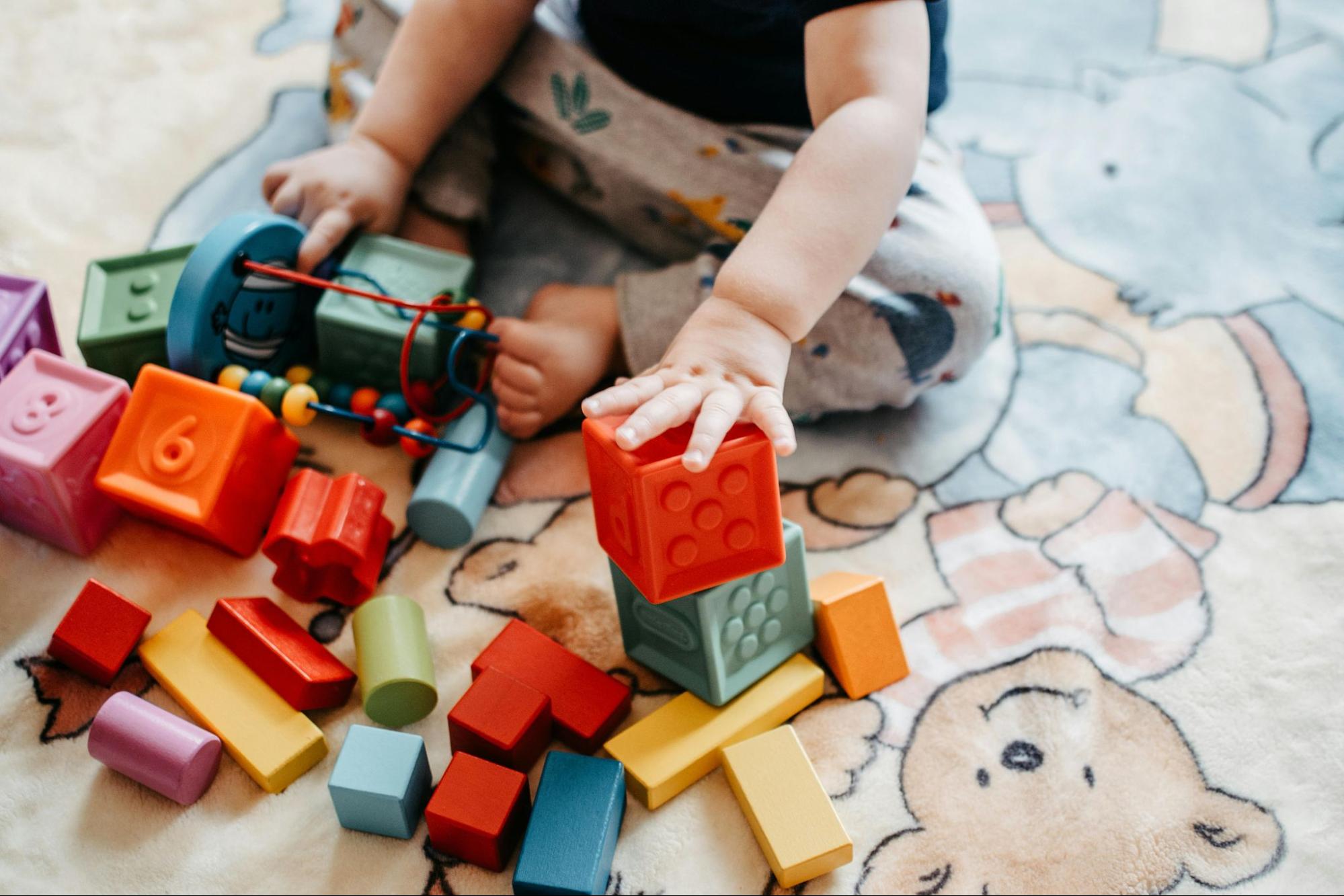
Not all coloring pages are created equal, especially for this age group. Here's what actually works:
Big, bold outlines
The lines should be thick, for instance, think 3-4mm minimum. Thin, delicate lines are invisible to a toddler holding a fat crayon. Bold outlines give them something to actually see and (eventually) aim for.
Simple shapes and subjects
A coloring page for a 1-year-old should have one or two large, recognizable shapes. A big circle face. A single animal. A ball. A star. The moment you add detail, feathers on a bird, scales on a fish, patterns on a dress, you've lost the age group.
Large coloring areas
Big open spaces that a toddler can scribble inside without needing precision. Small, intricate sections are frustrating because they physically can't control the crayon that well yet.
Familiar subjects
Toddlers engage more with things they recognize. Dogs, cats, balls, bananas, cars, faces. Abstract designs or fantasy characters they've never seen won't hold attention the way a picture of a dog will.
And the ultimate engagement hack: their own face
Nothing holds a toddler's attention like a coloring page of themselves. They recognize the shape, the pose, the setting and they're fascinated by it. This is where personalized coloring pages really shine for this age group.
What to Avoid
Knowing what doesn't work saves a lot of frustration:
-
Too much detail. If you can't describe the image in 3 words ("big happy dog"), it's probably too complex for a 1-2 year old.
-
Small coloring areas. Anything that requires precision will frustrate rather than engage.
-
Thin lines. They'll color right over them without noticing.
-
Scary or unfamiliar subjects. Dinosaurs and dragons might work for 4-year-olds, but a 1-year-old needs familiar, friendly images.
-
Pages with text or numbers mixed in. Keep it purely visual at this age.
The Right Supplies Make a Huge Difference
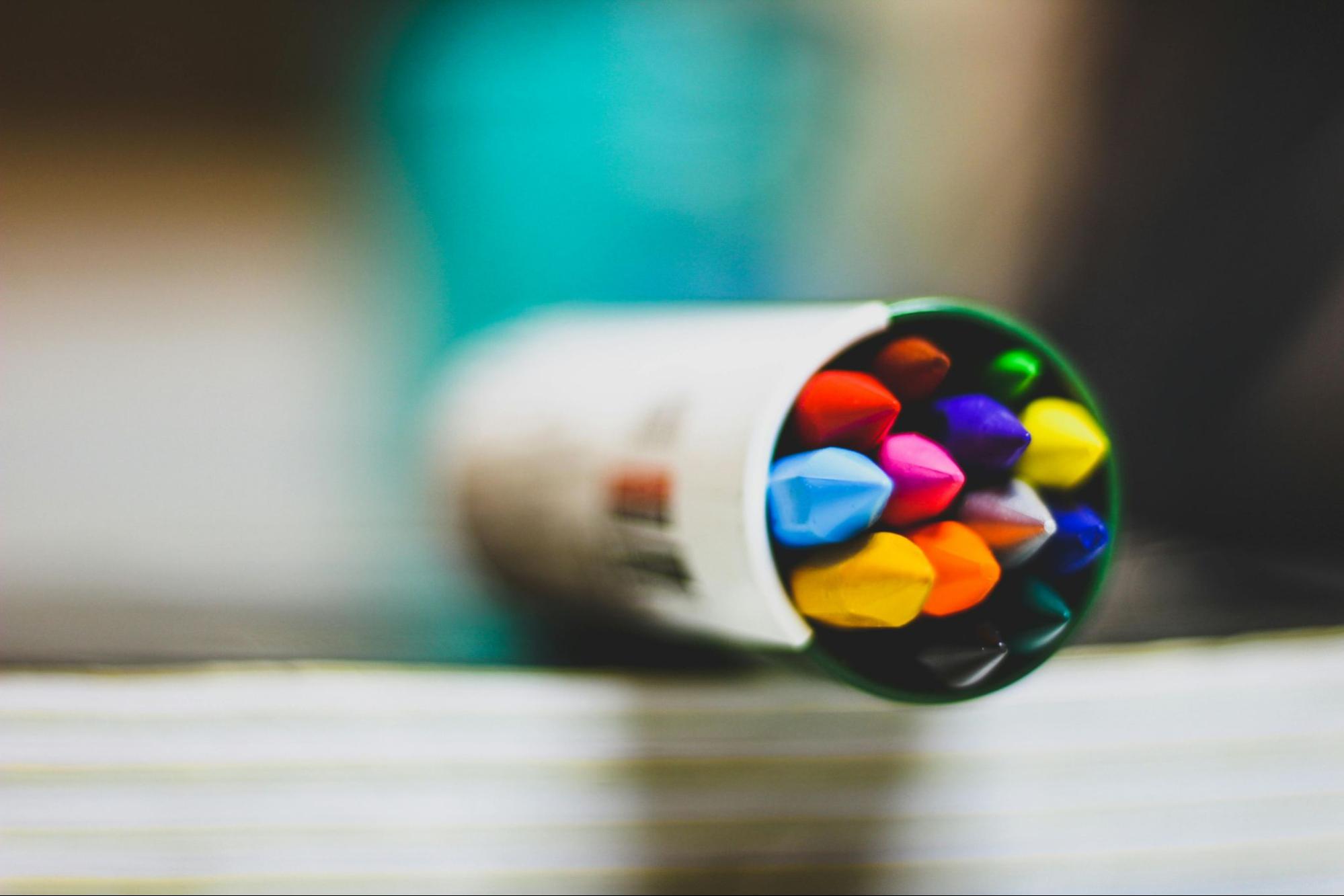
The coloring page is only half the equation. The supplies matter just as much for this age:
Crayons: Use chunky, triangular crayons (like Crayola My First Crayons or similar). They're easier to grip and harder to break. Regular thin crayons are frustrating for tiny hands.
Paper: Print on standard paper, but tape it to the table or use a clipboard. Toddlers will push the paper around otherwise, and the coloring session turns into a paper-chasing session.
Surface protection: Put down a plastic placemat or old tablecloth under the paper. Stray crayon marks on the table are inevitable — plan for it.
Alternatives to crayons: Dot markers (bingo daubers) are incredible for this age. One press = one big colorful dot. No grip required, instant visual result, extremely satisfying for toddlers. Use them with coloring pages for a no-frustration experience.
How to Make Coloring Time Work With a 1-Year-Old
A few practical tips from parents who've been in the trenches:
Keep sessions short. Five minutes is a win at 12 months. Ten minutes is exceptional. Don't push it: if they're done, they're done. You can always come back to it later.
Color together. Sit down and color alongside them. Toddlers learn by imitation. Pick up a crayon, make some marks, and narrate what you're doing. "I'm coloring the sky blue! What color do you want to use?"
Celebrate the scribbles. Every mark on the page is an achievement at this age. Don't correct, redirect, or demonstrate "the right way." There is no right way. It's all exploration.
Rotate pages frequently. A fresh coloring page is more exciting than one they've already scribbled on. Print extras. With ColorBooth, you can create a new personalized page from any photo in seconds — different photo, different coloring page, renewed interest.
Make it a routine. After breakfast, after nap time, before bath, pick a consistent slot. Toddlers thrive on routine, and coloring becomes an expected, comforting activity rather than a random event.
Age-by-Age Expectations
Setting the right expectations keeps everyone happy:
12–15 months
Your toddler will mostly bang the crayon on the paper, make random marks, and probably try to eat the crayon at least once. This is totally normal. They're learning what crayons are and what they do. The coloring page is more of a target than a guideline.
15–18 months
Scribbling becomes more intentional. They'll make repeated back-and-forth marks and start to understand that the crayon leaves a trail. They might show preferences for certain colors. Coloring sessions can last 5–10 minutes.
18–24 months
This is where it gets fun. Toddlers start attempting to color within the general area of the shape (not inside the lines, but in the vicinity). They'll name colors, point at objects in the picture, and ask for specific coloring pages. Personalized pages of themselves or family members become huge hits.
24 months+
Attention span grows, grip improves, and some toddlers start showing real intent to color specific areas. This is a good time to introduce slightly more detailed pages with 2-3 distinct objects. Still keep the lines bold and the areas large.
Where to Find Age-Appropriate Coloring Pages
A few good sources for simple, toddler-friendly coloring pages:
-
ColorBooth — Turn your own kid's photo into a coloring page. The AI creates clean, bold lines that work well for toddlers, and the personalization keeps them engaged longer than generic pages.
-
Simple search queries — Google "simple coloring pages for toddlers" or "first coloring pages for babies" for free printables. Look for pages with single large subjects and thick outlines.
-
Coloring books for babies — Look for books specifically marketed for 1-2 year olds (keywords: "first coloring book," "baby's first crayons," "toddler coloring"). These typically have appropriately simple designs.
The Bottom Line
Coloring with a 1- or 2-year-old isn't about the finished product. It's about the process: the grip, the movement, the sensory experience, the together time. The "best" coloring page for this age is one with big shapes, bold lines, and a subject your toddler actually cares about.
And nothing beats a subject they care about more than their own face staring back at them from the page.
Try a Personalized Coloring Page
Want to see how your toddler reacts to coloring a page of themselves? Upload any photo and get a printable coloring page in seconds. Your first page is free.
Have questions? Check out our FAQ.